Sri Lanka's South-West Coast: Kalutara to Galle, and What Each Stop Is For
Updated September 24, 2026 · 9 min read
Sri Lanka’s south-west coast is a single road with the sea on one side of it for about a hundred kilometres. Everything is on that road. You can drive the whole thing in an afternoon and see nothing, or spend a week on it and not finish.
This is the stretch from Kalutara down to Galle: the part of the island that European charter traffic discovered in the 1970s, that the tsunami hit hardest in 2004, and that has since become the easiest introduction to Sri Lanka there is. Bentota sits almost exactly in the middle of it, which is the main argument for staying there.
The order of the coast, north to south
Kalutara — a working town on a wide river mouth, with the great white stupa visible from the road. Cheap to explore and rarely explored: a private tuk-tuk round of the town is four hours at €13.89. The entrance fees along the way — river safari, Richmond Castle, turtle hatchery — are listed as not included; the price covers the tuk-tuk, the driver and the parking.
Beruwala — an old Moorish trading port, and the address for Brief Garden inland at Kalawila.
Aluthgama and Bentota — the river mouth, the hotels, the temple on the hill, and Geoffrey Bawa’s Lunuganga twenty minutes behind. What is actually worth seeing there is its own subject.
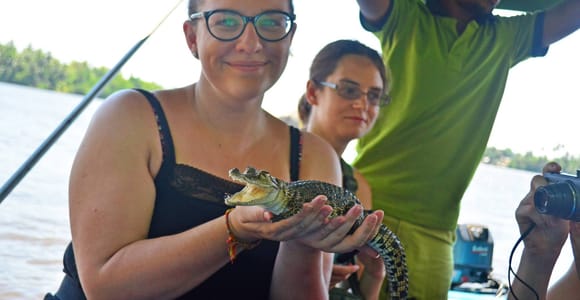
Induruwa and Kosgoda — six and eleven kilometres south. This is turtle country: hatcheries on the beach side of the road, some good, some less so.
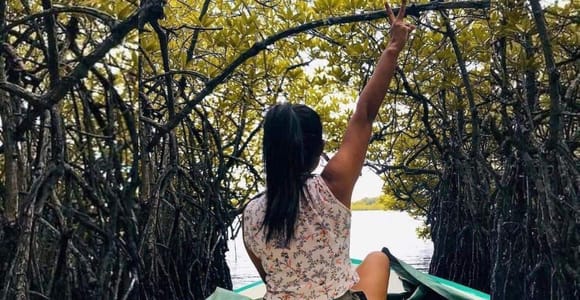
Balapitiya — the Madu Ganga, 915 hectares of estuary with fifteen islands in it, on the Ramsar list of wetlands of international importance since 2003. The best boat trip on the coast is here, not in Bentota, and the difference between the two rivers is worth twenty minutes of reading before you book.
Ambalangoda — the mask-carving town. The devil-dance masks are made here for ritual use as well as for shelves, and the workshops are genuinely working.
Hikkaduwa — the surf and diving town, with a shallow reef in front of it. If anyone in your party wants a beginner surf lesson, this is where the supply is, not Bentota.
Koggala and Ahangama — a big brackish lake with islands, a cinnamon industry, and the stilt fishermen.
Galle — the Dutch fort, and the end of the coast as most visitors understand it.
Galle is the one unmissable thing
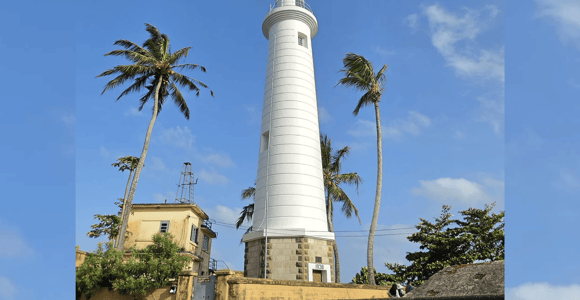
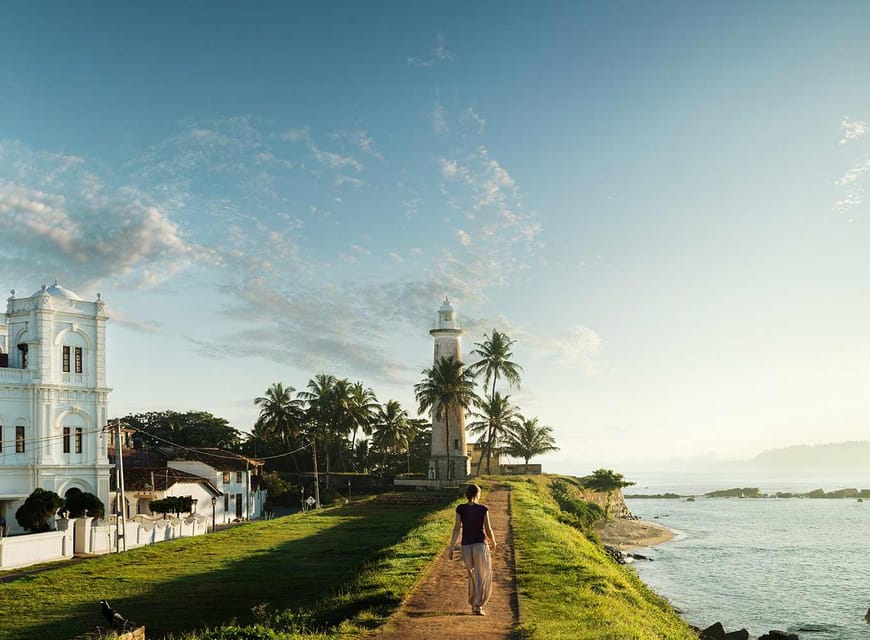
The Old Town of Galle and its fortifications have been a UNESCO World Heritage site since 1988, and it is the best-preserved fortified colonial town in South or South-East Asia. It is also, unusually, still lived in — the ramparts enclose streets, houses, shops and a working mosque rather than a museum.
Go in the late afternoon. The fort faces west, the ramparts are a continuous walk of a couple of kilometres, and the light does the rest. Most day tours arrive at midday because they came from somewhere else first; if you can dictate your own timing, do not.
From Bentota it is comfortably a day trip. The Galle round with Koggala Lake, a spice garden, a turtle hatchery, the stilt fishermen and the Handunugoda tea estate runs eight hours at €37.49 with 4.8 stars — that is most of the coast in one day, at a price that makes doing it piecemeal look silly. A coastal day tour combining Galle with Bentota itself is €50.07.
The stilt fishermen, honestly
You will see the photograph before you see the men: fishermen perched on single poles planted in the shallows off Koggala and Ahangama, silhouetted against the evening.
It was a real technique, developed on this coast within living memory when the shallow reefs made it viable. It is now overwhelmingly a performance, and the men on the poles expect to be paid for photographs. That is not a scandal — it is a straightforward transaction and a reasonable way to earn a living from a shoreline that no longer feeds families the way it did.
But go knowing it. Agree a price before you raise the camera, and do not describe what you are looking at as a glimpse of untouched tradition. What you are looking at is a coast that adapted.
Whales, and why the season matters
Mirissa, an hour or so beyond Galle, is one of the reliable places on earth to see blue whales, and boats go out from there early. It is a long way from Bentota for a morning at sea — the combined whale watching and southern coast day at €48.31 exists precisely because nobody wants to do that drive twice.
The southern whale season runs through the northern winter, which is the same window as the dry, calm months on this coast. That is not a coincidence: both are the other half of the monsoon.
The south-west monsoon runs from roughly May to September. It is why the hotels here fill from December, why the sea in July is not the sea in January, and why a day inland is the better plan in the wet months. What it does not do is stop anything — the rivers run, the gardens are better wet than glaring, and the coast is quieter.
Inland from the same road
Two things sit just behind this coast and are reachable from it in a day.
Sinharaja, the last substantial stretch of primary lowland rainforest on the island, a UNESCO World Heritage site since 1988 and a place where the endemic bird list is the reason people come. A full-day trek with waterfalls runs €105.41. It is not a stroll and the leeches are real; take socks.
The hill country. Ella, the tea factories and the train are sold from here as a single day — fifteen hours of it, at €100.14 with 4.6 stars. That is a genuine fifteen hours, most of it moving. It works, and a great many people who did it wish they had given the highlands two nights instead.
The national parks are the third inland option and a different kind of day again; which park, and why the answer changed this month, is in the safari comparison.
Getting up and down the coast
The train is the pleasure. The coastal line runs from Colombo Fort to Galle and on to Matara, often within a few metres of the water. It is slow, cheap and one of the better train rides in Asia. Note that Bentota’s own stop is a halt and most services call at Aluthgama, about a kilometre north.
The road is the practicality. Tuk-tuks for short hops, a car with a driver for a day. Sri Lanka drives on the left, and a foreign licence needs a local recognition permit issued on the basis of an International Driving Permit — which is why almost everybody here is driven rather than driving.
What this coast is not
It is not the wild Sri Lanka. The east coast is emptier, the north is stranger, the hill country is cooler and more dramatic, and the deep south has the big parks. This strip is the developed, comfortable, well-connected edge of the island, and its advantage is exactly that: a Ramsar wetland, a World Heritage fort, two of Asia’s great gardens and the best turtle beaches in the country are all within an hour and a half of one hotel room.
If you have ten days in Sri Lanka, this coast is worth three or four of them and should not be all of them. If you have a week and a family, it can reasonably be the whole trip.
Our listing for this coast holds 142 offers from €10.54. The long inland days sit under day trips from Bentota, 71 of them from €28.11; the river safaris, the turtle hatcheries, the culture and gardens and the water sports are the shorter half-days in between — and what seventeen water-sports offers with seven reviews between them means for your booking is a useful thing to know before you pay for one.